


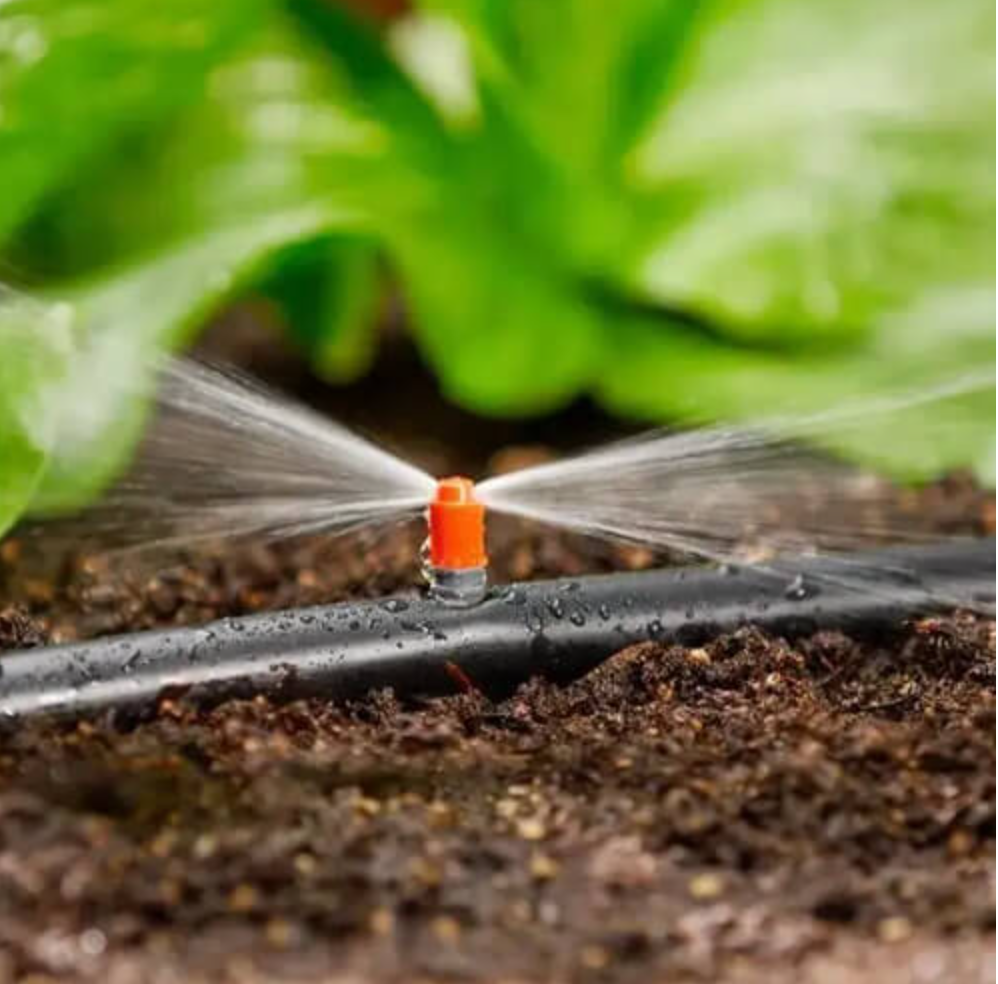
A smart irrigation system in agriculture uses sensors and data analysis to automatically alter watering schedules depending on real-time soil moisture, weather, and crop requirements, thereby improving water efficiency, lowering costs, and enhancing crop yields and quality. These systems use IoT, sensors, and automation technology to supply a precise amount of water at the exact moment, eliminating over- or under-watering and reducing waste.
Data Collection:
Sensors are used to monitor critical characteristics such as soil moisture, temperature, humidity, and even plant-specific water content.
Data analysis:
A central controller examines this real-time data, typically including weather forecasts and AI-powered insights, to estimate the crops’ exact water requirements.
Automated Control:
Based on the analysis, the system automatically opens or closes water valves to distribute the precise amount of water straight to the plants’ root zones, generally via drip irrigation.
Remote monitoring:
Users can frequently monitor and operate the system remotely via smartphone apps or online interfaces, giving ease and real-time visibility.
Sensors:
Determine soil moisture, temperature, and humidity.
Controller:
The system’s “brain” is responsible for data collection and automatic irrigation decisions.
Wireless Communication:
IoT technology frequently facilitates data transfer between sensors, controllers, and user interfaces.
Irrigation Network:
The physical system (e.g., drip lines, sprinklers) that supplies water to crops.
Water Conservation:
Irrigates just when necessary, resulting in significant water savings.
Increased crop yield and quality:
Ensures crops receive adequate water, resulting in healthier growth and higher-quality harvests.
Cost Savings:
It reduces water and energy prices, as well as the manpower costs associated with manual irrigation.
Sustainability:
It reduces water waste and avoids runoff, which can help reduce fertiliser and pesticide pollution in water bodies.
Adaptability:
Automatically responds to changing weather and unpredictable rainfall, reducing waste.
Precision:
Provides data-driven irrigation, which eliminates guesswork and human error.
Excellent Services
Lorem ipsum dolor sit amet, consectetur adipiscing elit.
Certified Experts
Lorem ipsum dolor sit amet, consectetur adipiscing elit.

Phone Number
+91 9696463077
Email Address
Info@regenfarmtech.com
Location
Akhari, Akhari Bypass City/District Varanasi, State:U.P. PIN:221011
Lorem ipsum dolor sit amet, consectetur adipiscing elit. Ut elit tellus, luctus nec ullamcorper mattis, pulvinar dapibus leo.
© 2025 Regen. All Rights Reserved. Developed By Dizi Global Solution